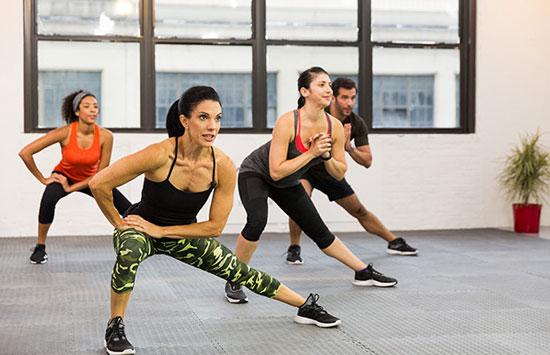
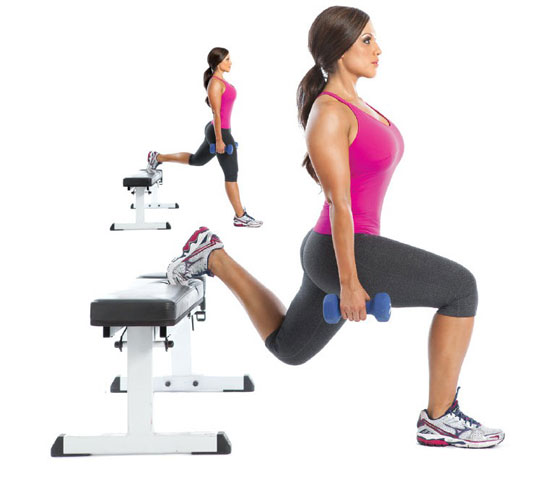
For those of you, who use strength training as a means to improve sport-performance, which is my day to day responsibility. Single-legged squat variations have a greater sport-specificity than double-legged squat variations.
Let me explain.
Most sport activities happen on one leg, the stance phase during running, jumping or kicking is on one leg, even in stance phases were both legs are on the ground there is more weight on one leg than on the other leg or the force are transferred from one leg to the other leg. Think about any sport where the athlete has to change directions, both legs are probably in contact with the ground, but the athlete pushes off from one leg more than from the other.
Consequently, working and strengthening one leg at a time has a high carry over to your sport performance.
Wrapping up
If you want to maximize strength, size, speed or endurance in your legs, you should integrate single-legged variations into your training program, if you haven’t already.

 Share On Facebook